
Hydrodemolition / Scarification
What is it?
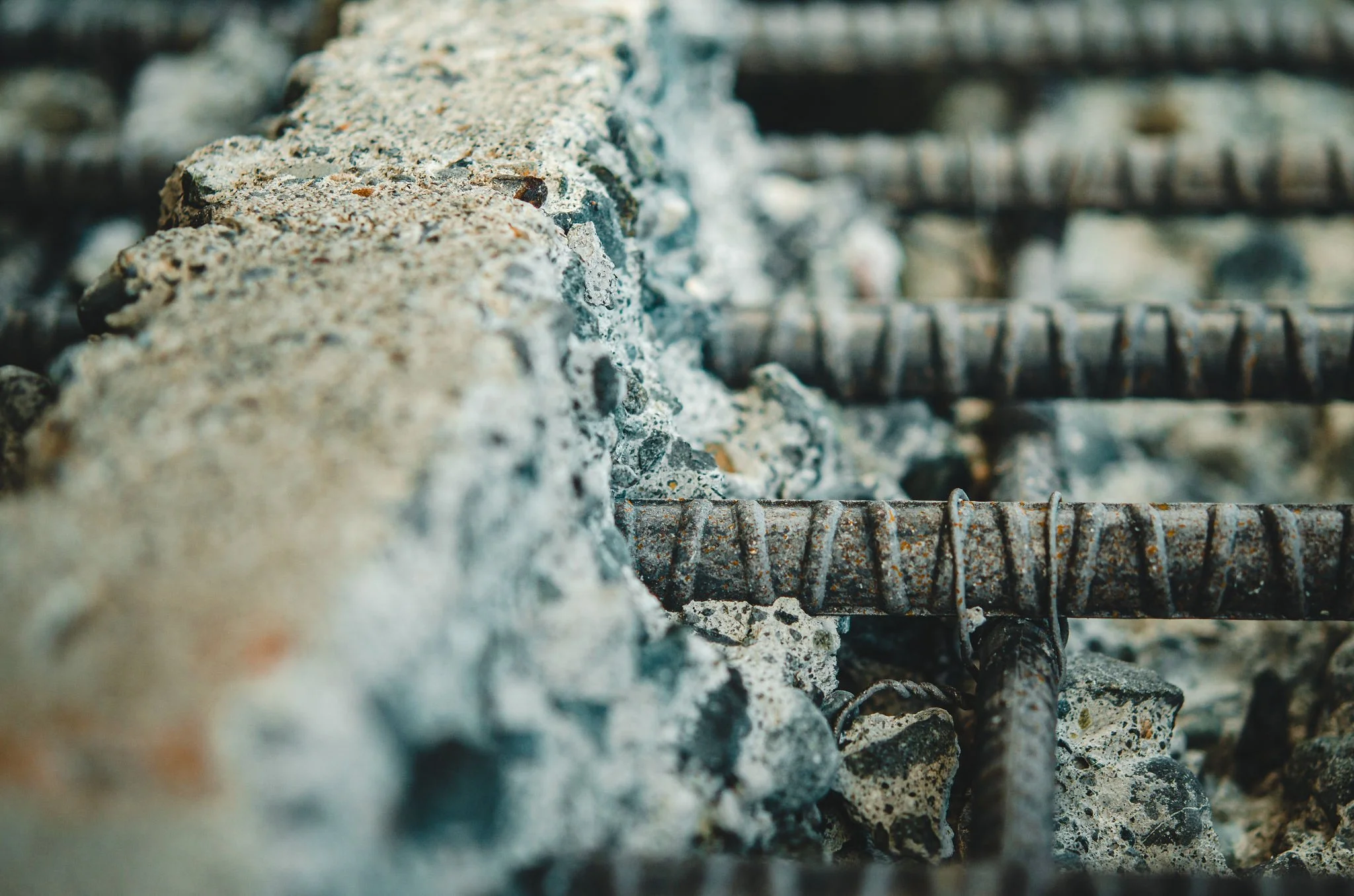
Precise concrete removal using water - Hydrodemolition uses high-pressure water jets to selectively remove damaged, low-strength or sound concrete while leaving surrounding healthy material untouched. Scarification is using the same process of high-pressure water jetting methods to create a desired profile for the customer using CSP Standards.
With the hydrodemolition methods, Unlike jack hammering or mechanical methods, it works by injecting water into the concrete pores and cracks, pressure builds until it exceeds the concretes tensile strength. Cut depths are controlled by the operator by calculating the pressure, volume of water, speed and other parameters of the high-pressure units, separating only the compromised/desired material.
Our Methods:
At Walco Industries Ltd., our experience allows us to develop methods to meet our customers expectations. It starts by:
Accessing the Structure: Determine the area, depth and concrete condition. This allows us to determine the required pressure, volumes, speed and other additional parameters for the project.
Baseline Scan (If required): At Walco Industries Ltd. we have the capability to capture/scan the “before process” to create a precises digital baseline of the original surface. This baseline, for our projects, gives our workers a picture of the task and enhances our quality for our overall project.
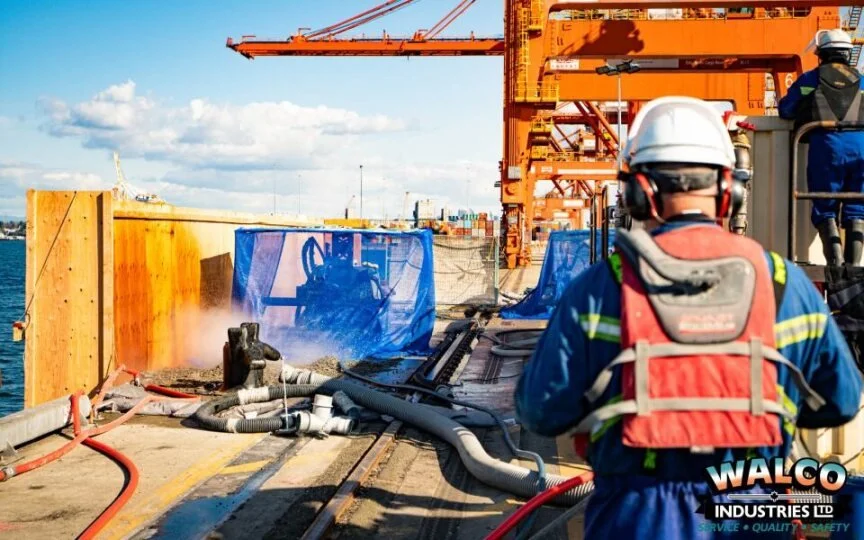
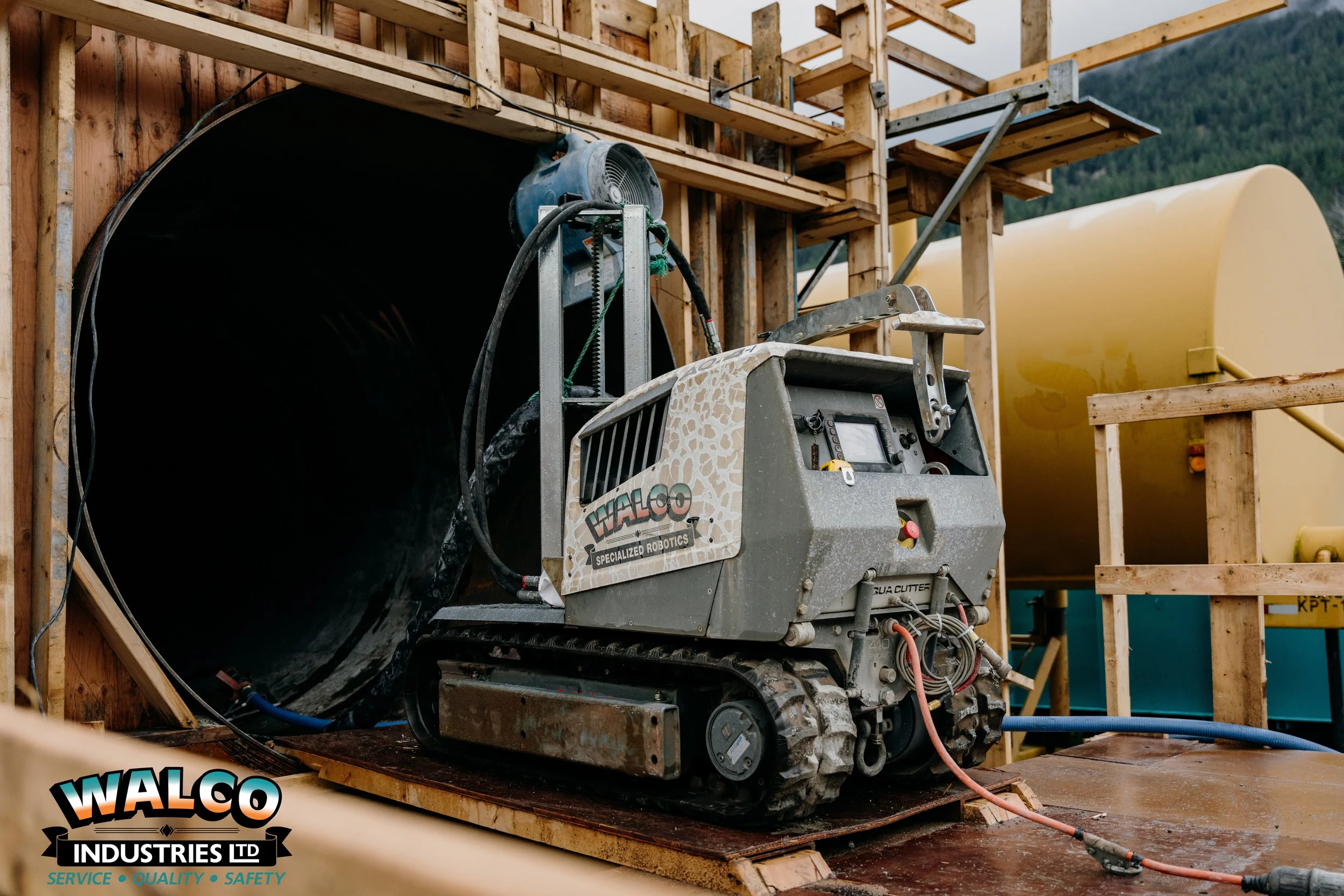
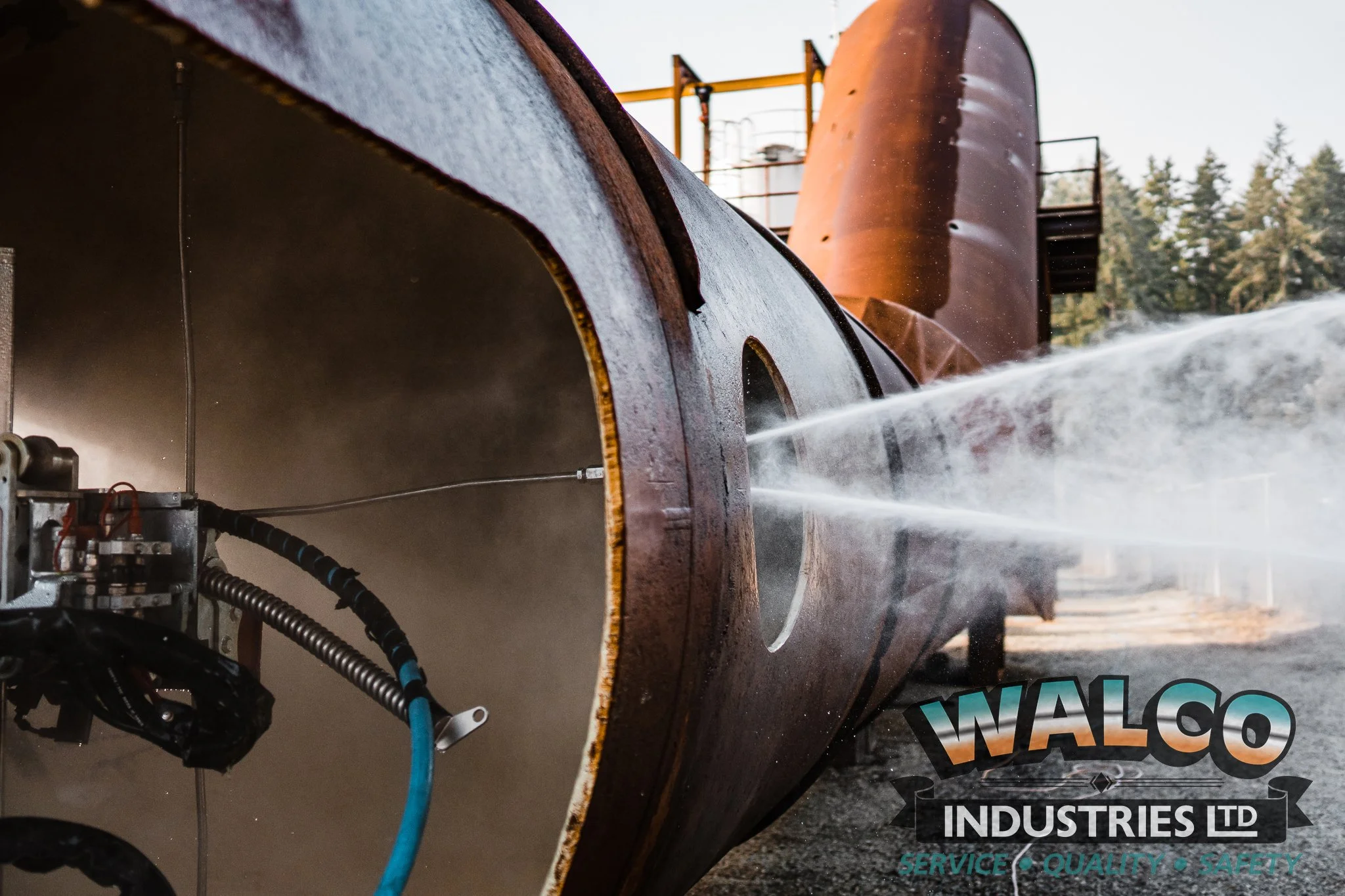
Water Jetting Methods: High-pressure water jetting is applied via robotic or handheld systems, targeting only the desired concrete to be removed as per our clients.
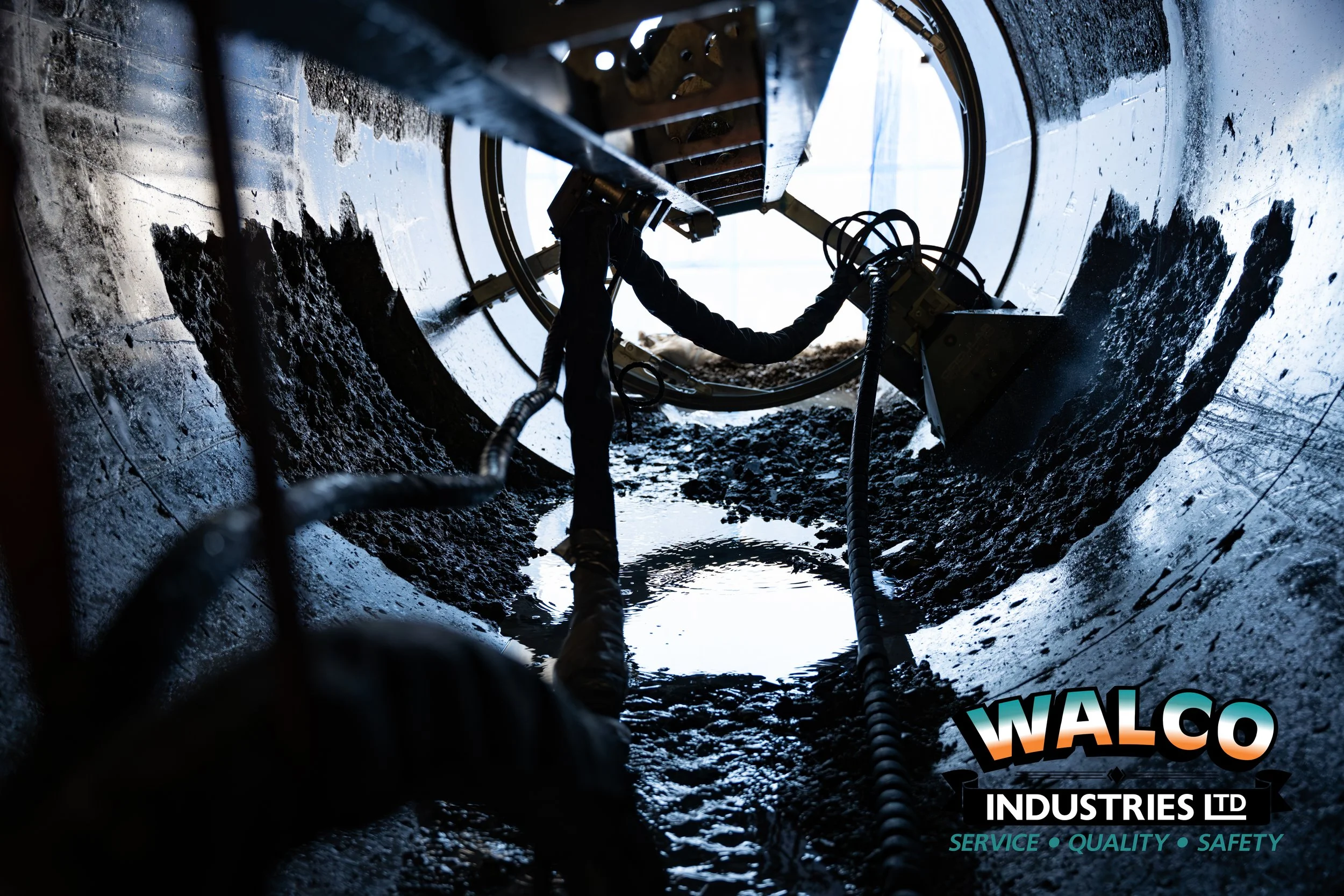
Water Management & Debris Removal: Walco Industries Ltd. has the ability to capture, manage and filter our water supply and collect the debris caused from the hydrodemolition/scarification methods. To learn more, give us a call.
Post Shift Verification: Once the cuts are completed, customer reviews the project. After the removal is complete, if required, Walco Industries Ltd. can complete a scan of the area, creating an “After Process” picture for our clients. This allows us to compare from our baseline of the original sturcture to what was taken out. Allowing for a precise calculation of concrete removal, enhancing quality for our clients.
The Case for Water
Why Choose Hydrodemolition?
A direct comparison across every dimension that matters - Service, Quality, and Safety.
|
Criteria
|
Hydrodemolition
|
Jackhammer / Chipping
|
|---|---|---|
| Substrate integrity | ✓ Reduced microfractures — substrate fully preserved | ✗ Bruising & microfracture occur |
| Bond strength | ✓ 2.5× higher flexural strength in repaired sections | ✗ ~40% of waterjet bond strength |
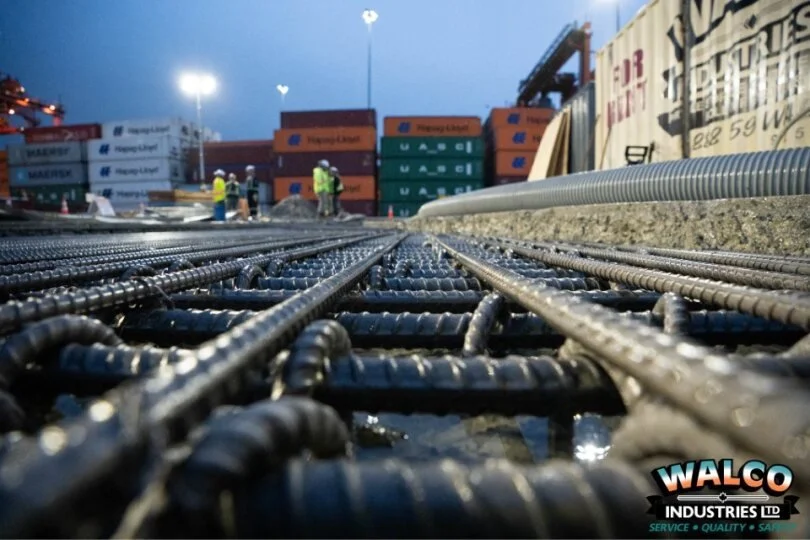
| Rebar & embedded metal | ✓ Left clean and undamaged | ✗ Risk of damage or misalignment |
| Silica & dust exposure | ✓ Below BC TWA (0.025 mg/m³) — confirmed by Walco Industries Ltd./BCCSA Testing | ✗ Elevated airborne silica dust |
| Noise & vibration | ✓ Significantly reduced — safer for adjacent structures | ✗ High vibration, loud impact |
| Removal selectivity | ✓ Targets only selected concrete — healthy material untouched | ✗ Less precise, depth harder to control |
| Worker ergonomics | ✓ Robotic operation — minimal manual handling | ✗ High musculoskeletal injury risk |
| Water & environment | ✓ Collected, managed on-site, and recycled | ✗ Dust, debris, limited runoff control |
| Quality verification | ✓ LiDAR scanning — millimetre-accurate, objective record | ✗ Visual inspection only — subjective |
| Project timeline | ✓ Faster coverage — shorter schedule, lower overall cost | ✗ Slower, labour-intensive |
Why it Works
Benefits Across Safety, Quality & Cost
Every advantage hydrodemolition delivers - From worker health, to structural performance, it is backed by research and Walco Industries Ltd. 40+ years of field experience.
Reduced microfractures
Unlike jackhammering, water removes the binder holding aggregate together — eliminating vibration and preventing bruising of the substrate. This creates substantially less microcrack generation confirmed by X-ray micro-CT scanning.
Reduce microcracksSuperior bond strength
Hydrodemolition leaves a rough, irregular, highly bondable surface ideal for repair overlays. Independent bending tests show waterjet-prepared sections achieve flexural strength 2.5× higher than chipped surfaces.
2.5× bond strengthFaster project delivery
Robotic hydrodemolition systems cover large surfaces consistently and quickly. Shorter timelines and lower labour requirements typically mean reduced overall project costs compared to traditional mechanical methods.
Large robotic fleet in N. AmericaReduced health risk
Robotic operation reduces musculoskeletal injury risk. Walco's ongoing BCCSA studies confirm silica exposure stays below BC's TWA of 0.025 mg/m³. Noise and vibration are also significantly lower than impact methods.
Below 0.025 mg/m³ TWASelective removal
Water targets only damaged or low-strength concrete — leaving healthy surrounding material untouched. Embedded rebar, expansion joints, anchors, conduit, and shear studs are left clean and undamaged.
Millimetre-level controlResponsible water use
Process water is collected on-site, treated to neutralize the high alkaline pH from calcium hydroxide, and recycled back into the high-pressure systems — reducing consumption and managing site runoff responsibly.
Water collected & recycled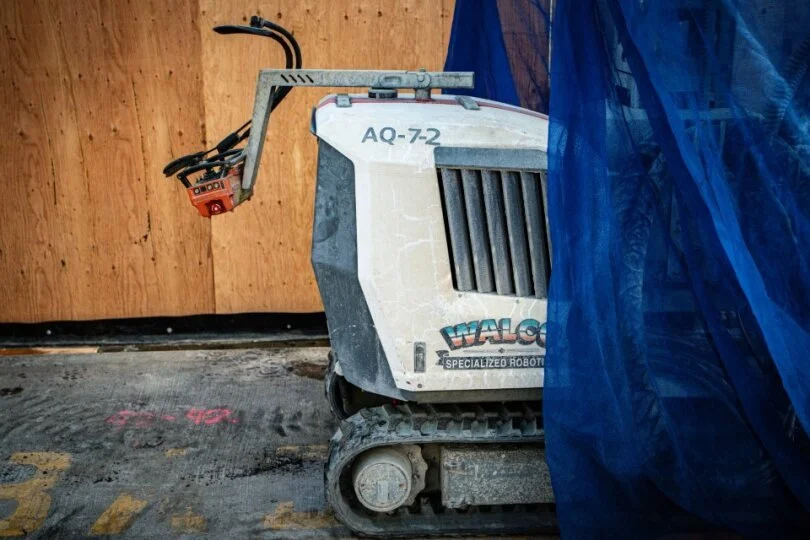
Delivery Methods
Robotic and Handheld Systems
-
Walco operates a large robotic hydrodemolition fleets in North America. These machines are ideal for bridge decks, dam faces, vertical spillways, concrete piles, and large-surface work area requiring speed and consistency. Remote-controlled units operate precisely in difficult-to-access environments.
-
Walco Industries Ltd. have the ability to use pressures rating from 3,000 to 40,000 psi. This method is ideal when or where robotic access is restricted. Best for smaller areas, precise detail work, sensitive sections, shallow depth removal or cleaning up. Walco Industries Ltd. offers a full range of accessories to match any project requirement.
“The Swedish National Road Administration recognized hydrodemolition as a game-changing approach to concrete removal - and decades of studies have confirmed exactly that”